Category: Documentary

  • Riding Out the Storm, 1989

    1989, 30 minutes.

    It’s 1988, the worst year of the war, which apartheid South Africa has launched to destroy its black-ruled neighbour Mozambique. 17 year-old Albertino Roda is ending his school year in the city of Nampula, and he has only one thing on his mind: to find his way back to his home villages and see his parents, whom he hasn’t heard of since last year.  It’s a perilous journey through  burnt-out towns, destroyed plantations, and a whole population fleeing killings and abuse. Albertino gets ever so close to his home, but then…

  • Little Heroes, 1995

    Little Heroes, 1995

    1995, 54 minutes

    Salamao was a boy of nine when he was taken from his parents and trained as a killer by the Mozambican rebel force known Renamo.  One of his assignments was to kill Lina Magaia, a prominent writer and activist who had picked up a gun and organized a local militia in her home town of Manhiça.  At the end of the war, we join Lina as she searches for Salamao among the thousands of abandoned child soldiers who roam Mozambique’s cities and countryside — illiterate, fearful and clutching to the dark skills they learned from their rebel bosses. When we find him, his future looks bleak.

  • Losing the Land, 1995

    Losing the Land, 1995

    53 minutes, 1995.

    Climate change and population growth combine to turn fertile land into desert. In 1995, we survey how Kenya is facing the challenge of reversing this disastrous process. From the slopes of Kilimanjaro in the south to the forbidding Chalbi Desert in north, we meet people who are changing the ways Kenyans use their precious land. Made for Vision TV, hosted by Flora MacDonald.

  • Before I Go (Lucille Teasdale), 1995

    Before I Go (Lucille Teasdale), 1995

    1995, 30 minutes.

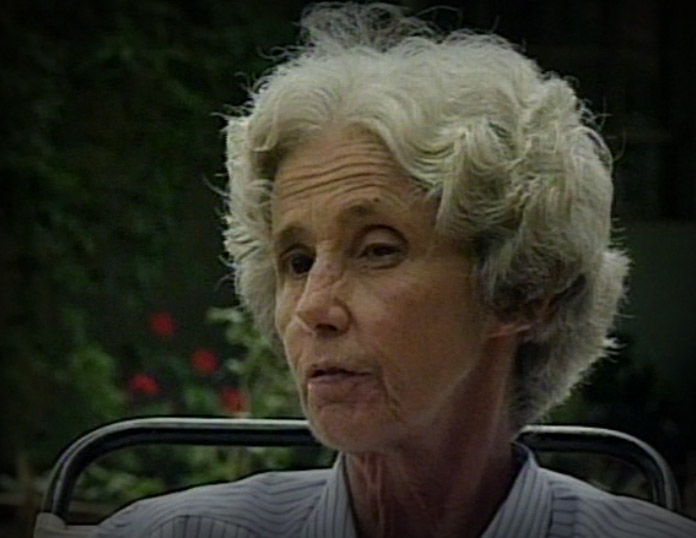
    Lucille Teasdale never accepted her reputation as a heroine and a saint. She always fought – as a young woman doctor in 1940s Montreal, as the pioneer who with her husband Piero Corti built St. Mary’s Hospital in northern Uganda and turned it into a showcase, and as the fearless, stubborn woman who refused to back down during decades of rebellions, civil wars, massacres, Aids and Ebola epidemics. We meet Lucille still fighting as her life is coming to an end; it’s an encounter that marks us forever.

    French biography of Lucille Teasdale by Michel Arsenault.

  • Braving the Darien Gap, 1997

    Braving the Darien Gap, 1997

    1999, 48 minutes.

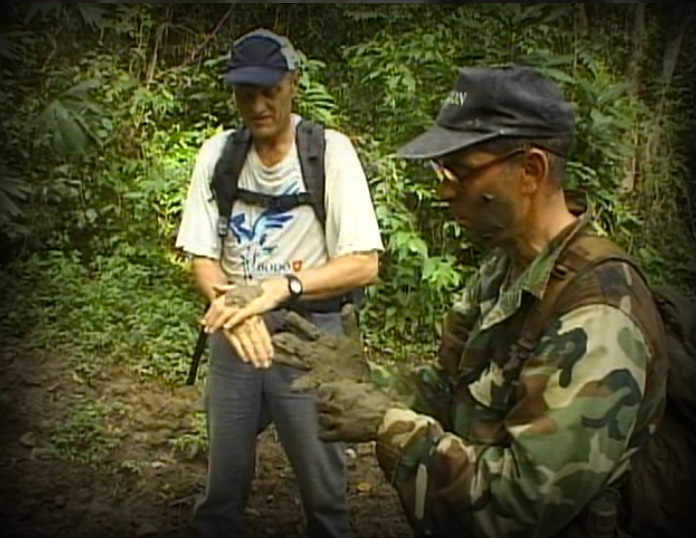
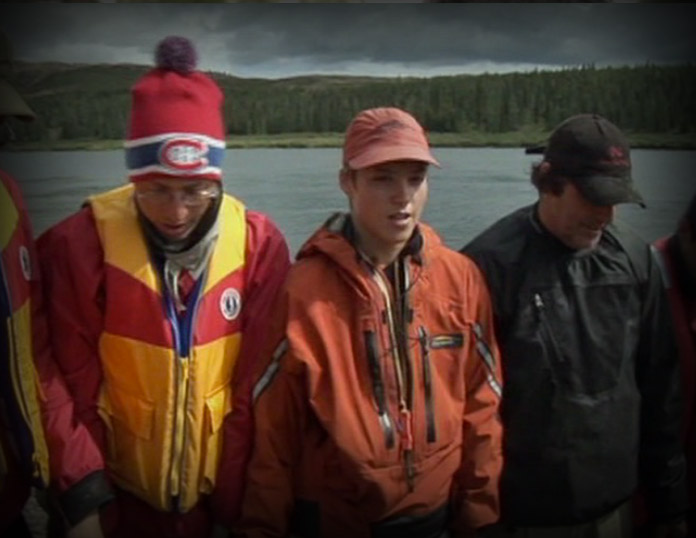
    In their adventurous youth John, Dave and Niels hiked, paddled and bushwhacked through the borderlands of Panama and Colombia.  This 250-kilometre stretch of rivers, mountains and dense jungle is the only stretch where the Pan-American Highway doesn’t run. It’s called the Darien Gap.  In 1997 the three buddies turn 50, and what better way to prove their enduring youthfulness than to repeat the adventure?  But things have changed in the Darien.  Colombian guerrillas, drug barons and vicious paramilitary units are fighting it out, and civilians live in fear.  But the journey must go on, even if the ending is not what was planned.

  • Secret Stories, 1998

    Secret Stories, 1998

    1998, 15 minutes.

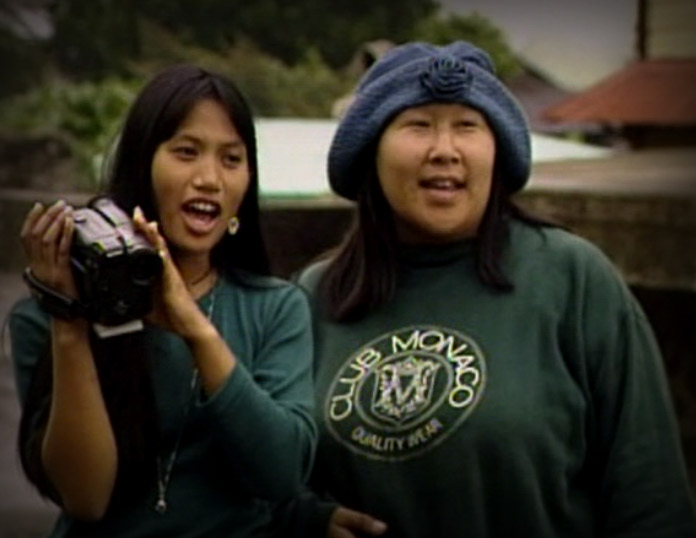
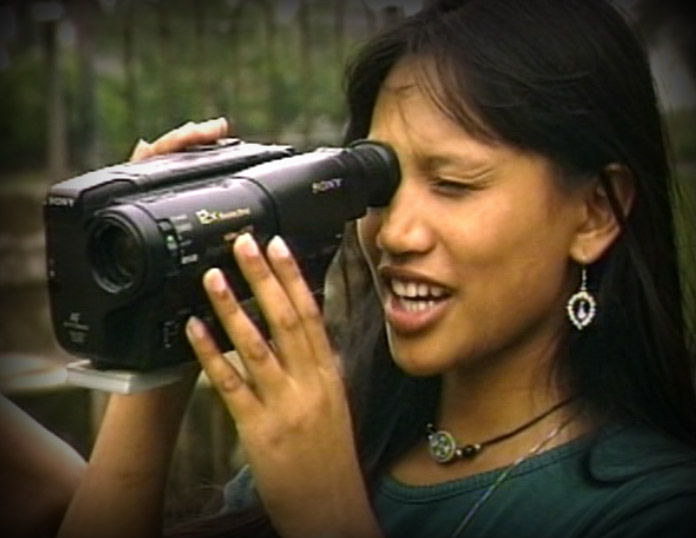
    Linda is a young video-maker from Taloyoak in the Canadian Arctic.  As part of the Teen Video Stories project, she travels to the village of Lubuagan in the Philippines to help a group of teenage girls make videos about their lives.  This is the story of an extraordinary friendship between two girls who couldn’t have come from a more different background.

  • Big Shots, 1998

    Big Shots, 1998

    1998, 54 minutes.

    Before the Internet and the rest of the digital revolution, there was the power of television.  Global networks inundated even the poorest countries with their shows projecting fleeting fantasies about pleasure and glamour. But what would happen if the flow was reversed.  Our Teen Video Stories project set up mobile production units in Poland, Peru, Mozambique, Arctic Canada and the Philippines.  Dozens of stories resulted, and were broadcast in many countries.  “Big Shots” is a selection of the best.

  • Souris Marie, la vie est belle, 2001

    Souris Marie, la vie est belle, 2001

    2001, 52 minutes. English version: Larger than Life.

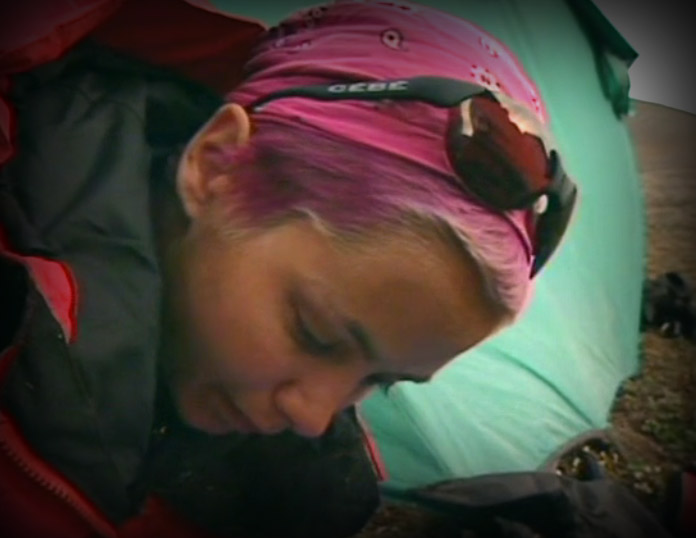
    Cancer is a disaster at any stage in a person’s life, but when you’re 15 and just beginning to assert your independence, life-threatening cancer wrecks everything.  You lose your “gang” and maybe your hair; you become dependent again, coddled and protected like a little child.  That’s why the Tip of the Toes Foundation, in Quebec, Canada, takes teens with cancer on rugged wilderness expeditions, to let them meet peers in the same situation and turn their self-image from patients to explorers.  On this expedition into the extreme Arctic, we’re overwhelmed by nature’s grandeur and the human transformation, and by the courage the courage of the teens to face terrible trials ahead.

  • Larger than Life, 2001

    Larger than Life, 2001

    2001, 52 minutes.

    Cancer is a disaster at any stage in a person’s life, but when you’re 15 and just beginning to assert your independence, life-threatening cancer wrecks everything. You lose your “gang” and maybe your hair; you become dependent again, coddled and protected like a little child. That’s why the Tip of the Toes Foundation, in Quebec, Canada, takes teens with cancer on rugged wilderness expeditions, to let them meet peers in the same situation and turn their self-image from patients to explorers. On this expedition into the extreme Arctic, we’re overwhelmed by nature’s grandeur and the human transformation, and by the courage the courage of the teens to face terrible trials ahead.

  • Kikkik, 2001

    Kikkik, 2001

    2001, 52 minutes.

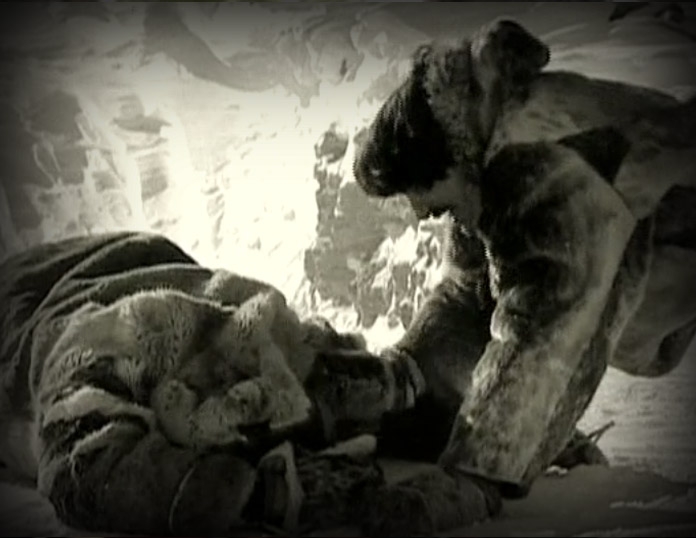
    It is taking decades for Canada to come to terms with its history in the Arctic, and with its relationship to all its indigenous people.  “Kikkik” is the story of government mistakes and neglect, of starvation, murder, freezing death, but, in the end, a kind of justice that helps restore our faith in human decency. In 1958, the Inuit woman Kikkik was charged with murder and criminal negligence leading to the death of her child. Her trial and our visit back to the place and to Kikkik’s children confront us with a legacy that’s still a challenge for Canada.

    Other links:

  • The Muskox Patrol, 2004

    The Muskox Patrol, 2004

    2004, 54 minutes.

    On paper, the vast High Arctic archipelago was handed to Canada by Britain in 1880, without Canada having asked of it and without any wish to actually take possession.  Twenty years later, the Norwegian explorer Otto Sverdrup and his crew spent three years among the frozen islands, making maps and observing flora and fauna. On his return to Norway, he urged the king and the government to claim the High Arctic.

    It took Canada years to react.  One measure was to dispatch a few Mounties to Ellesmere Island, where they asserted Canadian sovereignty while being kept alive by Greenland and Canadian Inuit.  Based on their diaries, letters and interviews with descendents, we reconstruct poignant highlights of their years with the Inuit, trapped by blizzards and impenetrable packed ice.

  • Vu du large, 2005

    Vu du large, 2005

    2005, 48 minutes. French.

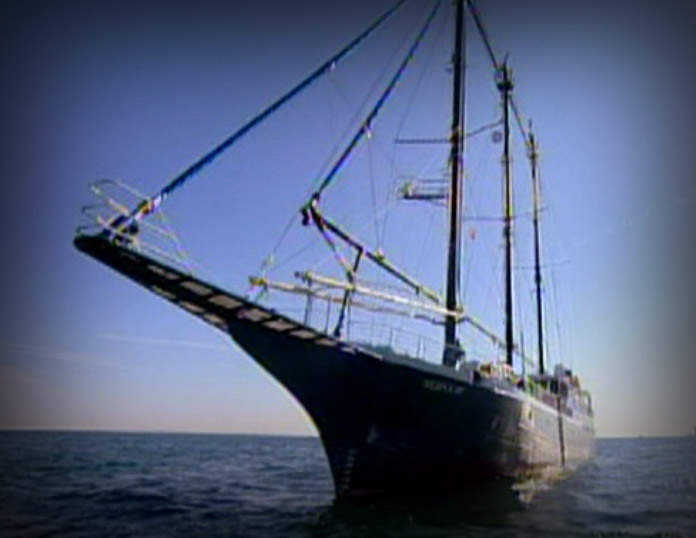
    The tall ship Sedna sets sail at Rimouski in the Gulf of St. Lawrence and heads upstream to explore the health of the inland waterways that cut through the North American continent. In this episode of a five-part series, accompanied by Cajun troubadour Zachary Richard, we join the ship in Toronto, on Lake Ontario, follow the Great Lakes to Chicago and descend the Mississippi River to St. Louis. We cross infamously polluted rivers and canals and get attacked by the jumping Asian carp that wipe out most other species as ascend the Mississippi and try enter the Great Lakes.

  • Chute Libre, 2006

    Chute Libre, 2006

    2006, 48 minutes, French.

    Cancer is a disaster at any stage in a person’s life, but when you’re 15 and just beginning to assert your independence, life-threatening cancer wrecks everything.  You lose your “gang” and maybe your hair; you become dependent again, coddled and protected like a little child.  That’s why the Tip of the Toes Foundation, in Quebec, Canada, takes teens with cancer on rugged wilderness expeditions, to let them meet peers in the same situation and turn their self-image from patients to explorers. That’s what happens on this canoe expedition down the George River in Arctic Quebec.  Rain, rapids, bugs, mountain peaks and a warm welcome into indigenous culture  transform the young trekkers.

  • Sur la ligne de tir, 2007

    Sur la ligne de tir, 2007

    2007, 54 minutes.

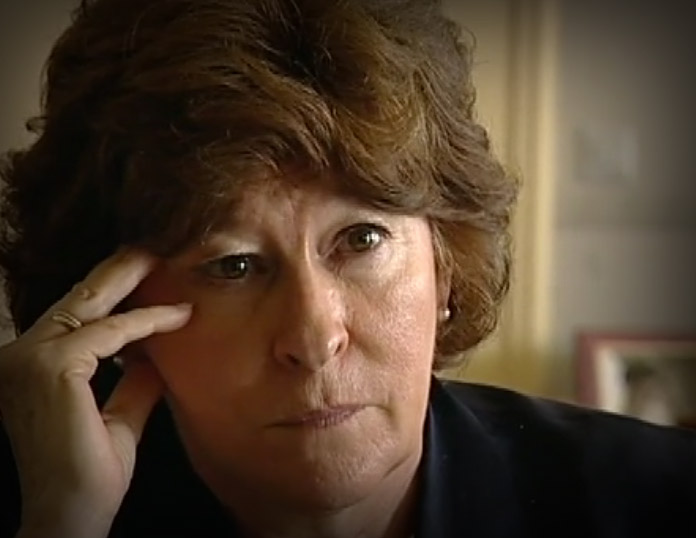
    Ancienne procureur en chef du Tribunal pénal international à La Haye et ancienne juge à la Cour suprême du Canada, Louise Arbour a été haute-commissaire au Haut-Commissariat des Nations unies aux droits de l’homme aux Nations unies au moment où la guerre contre le terrorisme et les massacres aux Darfur ont divisé la scène internationale.

    Durant des missions tendues en Ouganda, en Tchéchénie, le Sudan, et dans des duels diplomatiques à Genève, New York et le Moyen-Orient, nous découvrons une femme qui refuse la politique expéditive des États afin de couvrir des exactions et des crimes contre l’humanité.

  • The Quest : Episode 6/6, 2011

    The Quest : Episode 6/6, 2011

    2011, 22 minutes.

    We’re running out of time, so the mushers vote to stretch the final legs of the race. If they only knew… But the excitement builds as the crowd in Clyde River hails the mushers as heroes.

  • The Quest : Episode 4/6, 2011

    The Quest : Episode 4/6, 2011

    2011, 22 minutes.

    It’s been a winter or weird weather, and one night nature springs a bad surprise: The sea ice under our camp cracks open, and we’ve got to move, fast! It’s a lesson in the new realities of a changing Arctic.

  • In the Crossfire, 2007

    In the Crossfire, 2007

    2007, 52 minutes.

    She was the Chief Prosecutor who indicted Slobodan Milosevic and dozens of others at the international tribunals that followed the wars in the Balkans and the Rwanda genocide.  Then she was appointed to the Supreme Court of Canada, usually a career-crowning assignment – but not for the restless Louise Arbour.

    After five years in Ottawa she was back in the global arena, this time as the United Nation’s High Commissioner for Human Rights.  It was the height of the so-called War on Terror, Darfur was burning, slaughter stained the towns of Chechnya, and in Uganda a messianic cult army held the country hostage.

    At the UN, governments defend their interests more often than they admit to wrongdoing. Upholding the principles of the Universal Declaration of the Rights of Man and rejecting political compromise, Louise Arbour has her work cut out for her as she confronts a violent, chaotic period in world affairs.

  • Qimmit: Un choc, deux vérités, 2011

    Qimmit: Un choc, deux vérités, 2011

    2011, 52 minutes.

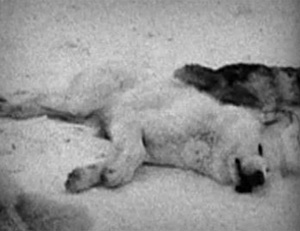
    Les Inuit et leurs chiens vivent côte à côte depuis des millénaires. Les déplacements, la chasse, la fourrure et même comme nourriture, les nomades nordiques dépendent des chiens pour leur survie.

    Il y a 50 ans, la vie nomade s’arrête subitement. Les chiens disparaissent. Mais que s’est-il passé ?

    Cette question douloureuse s’est posée deux générations plus tard. Une commission d’enquête est mise sur pied pour enquêter sur la quasi disparition des qimmit (chiens).

    Colère, amertume et peur refont surface alors que la « vérité » demeure évasive.

  • Qimmit: A Clash of Two Truths, 2011

    Qimmit: A Clash of Two Truths, 2011

    2011, 68 minutes.

    For more than a thousand years, the Inuit and their dogs were inseparable. For hunting, travel, fur and even food, the nomadic people depended on their dog teams for survival.

    But when the nomadic lifestyle came to a sudden end, fifty years ago, things changed, and soon after there were nearly no dogs left alive.  What happened?

    It’s taken two generations to be able to ask this painful question, and to examine the near-extinction of the Canadian Inuit dogs.  As a truth commission travels across the territory of Nunavut, anger, bitterness and fear resurface, and “objective” truth is elusive.  But in the background, the dogs are staging their comeback.

  • Toivo, Child of Hope, 1989

    Toivo, Child of Hope, 1989

    1989, 30 minutes.

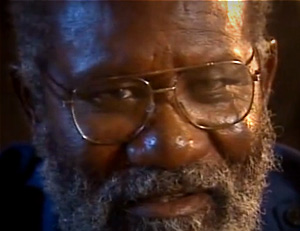
    Andimba Toivo-ya-Toivo was one of the first Namibians to organize against apartheid South Africa’s occupation of his country.

    He was arrested, in 1963, tortured and spent nearly 20 years on Robben Island, in the company of Nelson Mandela and other South African freedom fighters.

    With my friend Magnus Isacsson as Director, I went to Namibia as Toivo returned home after all these years, and Namibia is on the cusp of independence, after a long and bloody liberation war. It’s a tense, explosive place, and emotions run high all around.

  • My Doukhobor Cousins, 2002

    My Doukhobor Cousins, 2002

    2002, 72 minutes.

    This is a story about a clash of freedom versus authority, about the pressures to conform versus a stubborn will to stand up for your beliefs, and about the human cost of this hundred-year struggle played out in the deep, green valleys of British Columbia.

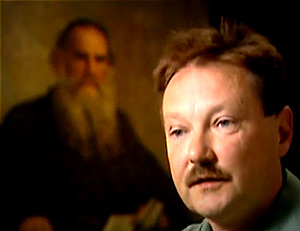
    As Canada searched for new immigrants to populate the West and keep the Americans out in the early 1900s, a special group of people answered the call. They were the Russian Doukhobor community, deeply religious pacifists persecuted by the Czarist authorities. With the help of Leo Tolstoi, 7000 arrived in Canada, only to find that their new homeland also placed restrictions on its citizens.

    The desire to fit in led many to drift away, and to conceal their origins. And when their children and grandchildren begin to ask questions, games of hide-and-seek commence.

    When Janice Benthin’s aunt insists that her delicious borscht is only “vegetable soup”, Janice enlists her cousins Marilyn and Lance to go back and find out “who we really are”. Their quest leads to dark moments and funny episodes, and a discovery of astonishing human courage.
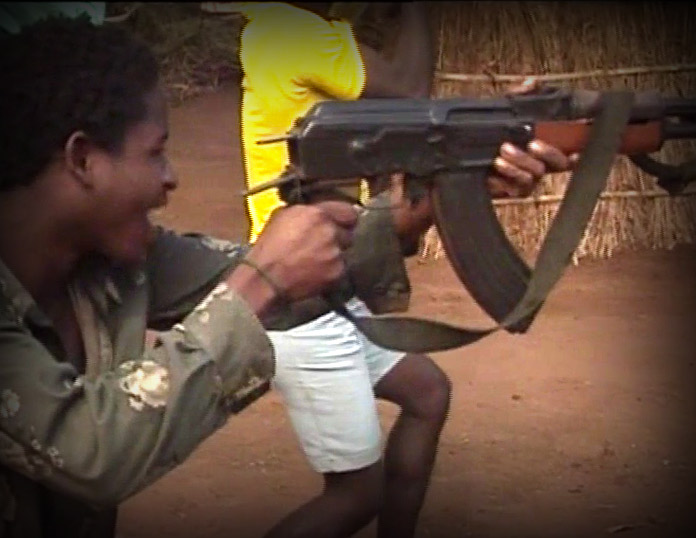
  • Amarok’s Song, 1999

    Amarok’s Song, 1999

    1999, 75 min

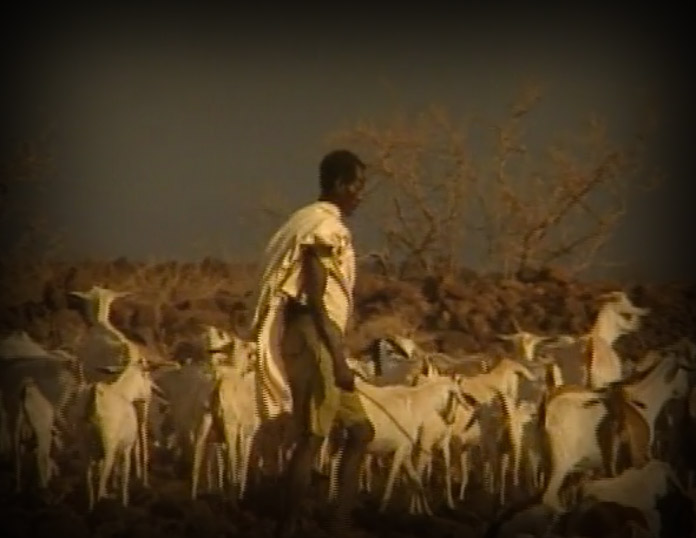
    He was registered by the government as Samson Quinangnaq, but Amarok – “Wolf” in Inuktitut – is his true hunter’s name.

    He was of the Okusuqsalikmiut, the Soapstone People, who lived along the Back River in the so-called Barrenlands west of the Hudson’s Bay.

    When repeated famines struck in the 1950’s, Amarok and his family were moved from their traditional lands into the nascent settlement of Baker Lake, and their lives changed forever.

    This is the story of their survival, and their revival, as artists and hunters whose indomitable spirit carried them through some very difficult decades.

    With my Inuk co-director Tunalaq (Martin) Kreelak, we go on a journey with four generations of a proud people who turn a corner to face a better future.

  • So That You Can Stand

    So That You Can Stand

    2016, 82 min

    It was the first time that aboriginal Canadians said NO! to a government, and went on to win important concessions in what was effectively Canada’s first land claims settlement. In 1971, long before any notion of aboriginal rights was enshrined in Canadian law, the government of Québec province began construction of a vast hydroelectric project that would dam the rivers and flood the hunting grounds of the Crees and Inuit.

    This is the inside story, from the Inuit point-of-view, of the David-vs-Goliath battle that brought the Inuit and Crees the concessions that would allow them to build new semi-autonomous societies in their homelands in northern Québec.

  • Louise Arbour – The Prosecutor

    Louise Arbour – The Prosecutor

    1999, 36 min

    It’s 1999 and Louise Arbour has a few months left as Chief Prosecutor at the International Criminal Tribunal for the Former Yugoslavia and Rwanda. We travel with the determined Canadian jurist as Serbian forces are laying waste to Kosovo and covering up their massacre in Srebrenica, while in Rwanda the authors of the 1994 genocide are on the run.

    Politicians and military leaders are looking for “peace and accommodation”, running interference as Mme Arbour is fighting to end the impunity of the powerful, and in particular gathering the evidence that will later bring Slobodan Milosevic to trial in The Hague.

  • Louise Arbour – Madame la procureur

    Louise Arbour – Madame la procureur

    1999, 10 min.

    En 1999, il ne reste plus que quelques mois à Louise Arbour dans le rôle de procureur au Tribunal pénal international pour l’ex-Yougoslavie et le Rwanda. Le film suit Mme Arbour alors que les forces serbes s’impliquent au Kosovo et qu’elles tâchent de cacher les massacres de Srebrenica. Les génocidaires rwandais sont en fuite depuis les événements de 1994.

  • Passage Périlleux: Louise Arbour et l’avenir de la migration

    Passage Périlleux: Louise Arbour et l’avenir de la migration

    Afin de réduire le chaos et les abus autour de la migration mondiale, en 2015, les États membres des Nations Unies ont élaboré le Pacte mondial sur les migrations.

    Louise Arbour, juriste canadienne, ex-procureure pour crimes de guerre et ancienne Haut Commissaire des Nations Unies aux droits de l’homme a été nommée pour diriger l’effort.

    Mais aussitôt, les négociations délicates sur la souveraineté nationale et l’universalité des droits de l’homme se sont butés sur une marée montante de nationalisme et de campagnes anti-immigration. Donald Trump et Victor Orban ont dirigé la charge.

    C’est l’histoire de l’affrontement entre deux visions du monde opposées mises à jour par le Pacte mondial sur les migrations.